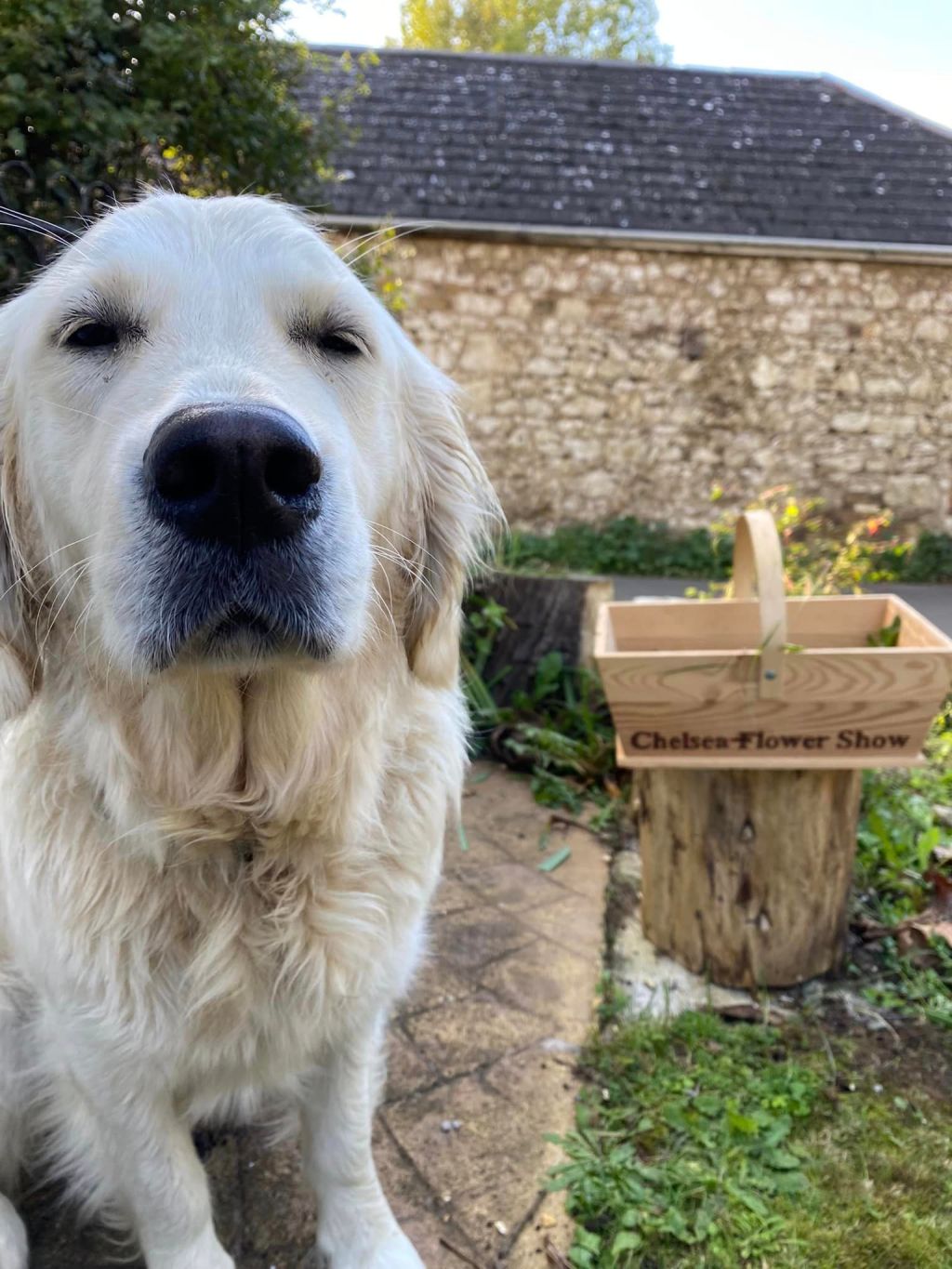
According to Soil Association UK, globally we lose 30 football pitches of fertile soil per minute. Not only do we need soil for growing things, it also supports the planet’s biodiversity as well as soaking up carbon from the atmosphere to reduce global warming. Therefore, this little patch of wilderness is dedicated to soil health and biodiversity – and all the good things that come with it!
Do check in regularly for freebies in the Community Chest!
January-February 2024
The little garden patch is still resting, nitrogenising. You will see that we have built a little bramble tower with larger twigs and dried leaves. This is to provide habitat for mated queen bees and hibernating hedgehogs.
“Leave the leaves” has become something of a rallying cry of late, both of ecologists and natural landscape enthusiasts, who have science, if not social norms, on their side (fallen leaves turn mushy so pedantic gardeners would get rid of them).
We built a bramble tower because bumblebees overwinter in holes in the ground, with leaves providing a cosy blanket protecting against hard freezes. And fireflies are among the insects that lay their eggs on leaves. Hedgehogs hibernates there too.
And of course, leaves put nitrogen and carbon back into the soil.
21 November 2023
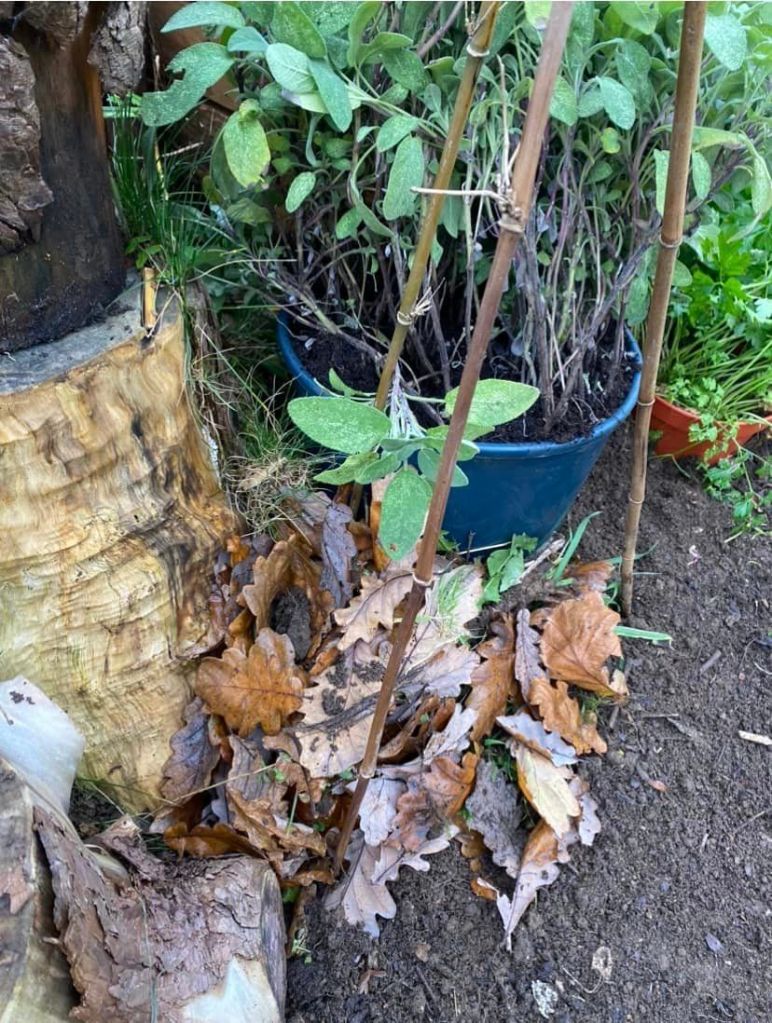
We got the Community Chest ready, as well as putting herbs (mint, parsley, sage) in the front garden. Please snip and take some home to flavour your cooking. In addition to the herbs, check out what’s in the Community Chest x
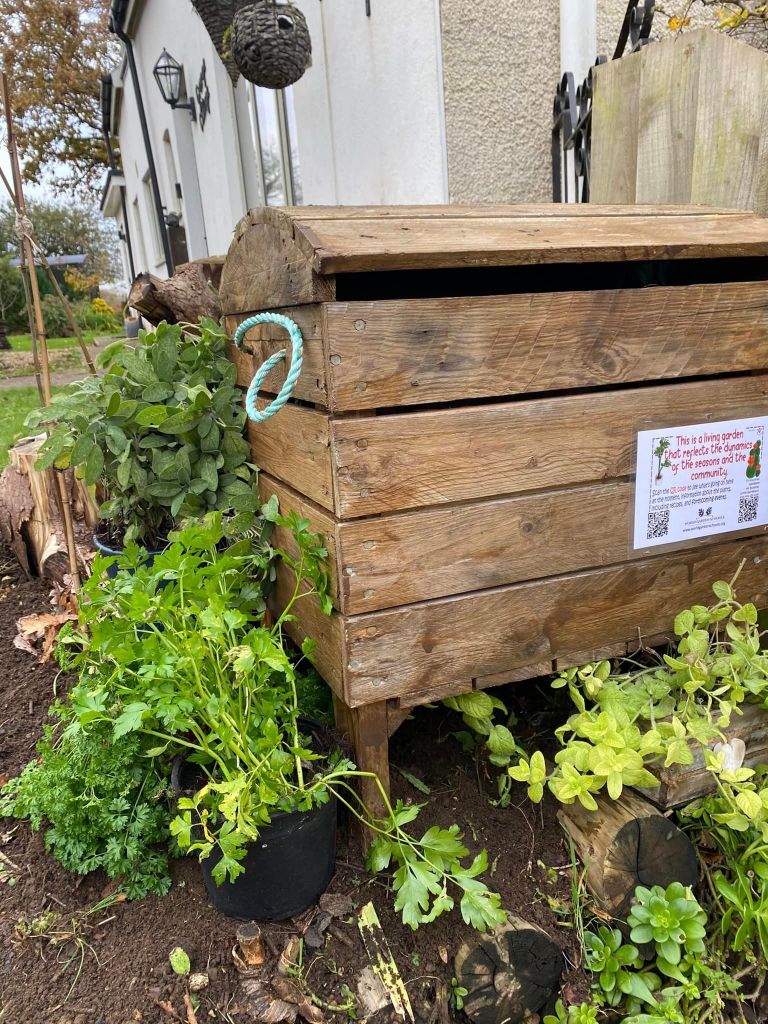
What is this?
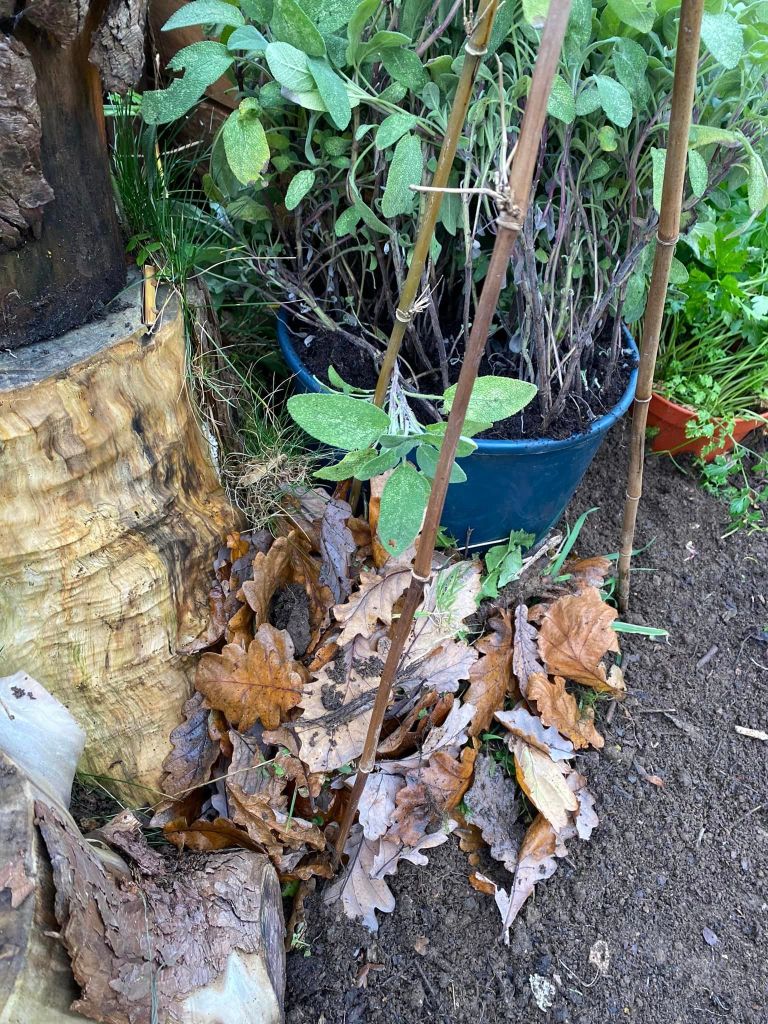
I am attempting to build a bramble tower, binding bramble prunings with leaves and twigs to create a network of hidey holes for small critters, such as queen bees that nest just beneath fallen leaves and hopefully a hibernating hedgehog.
A note on hedgehogs – please, please, please, be mindful of the fact that hibernating hedgehogs do look as if they are dead but they are not. Please place them somewhere safe, preferably where dogs and cats can’t get to them, like beneath a bramble tower.
18 November 2023
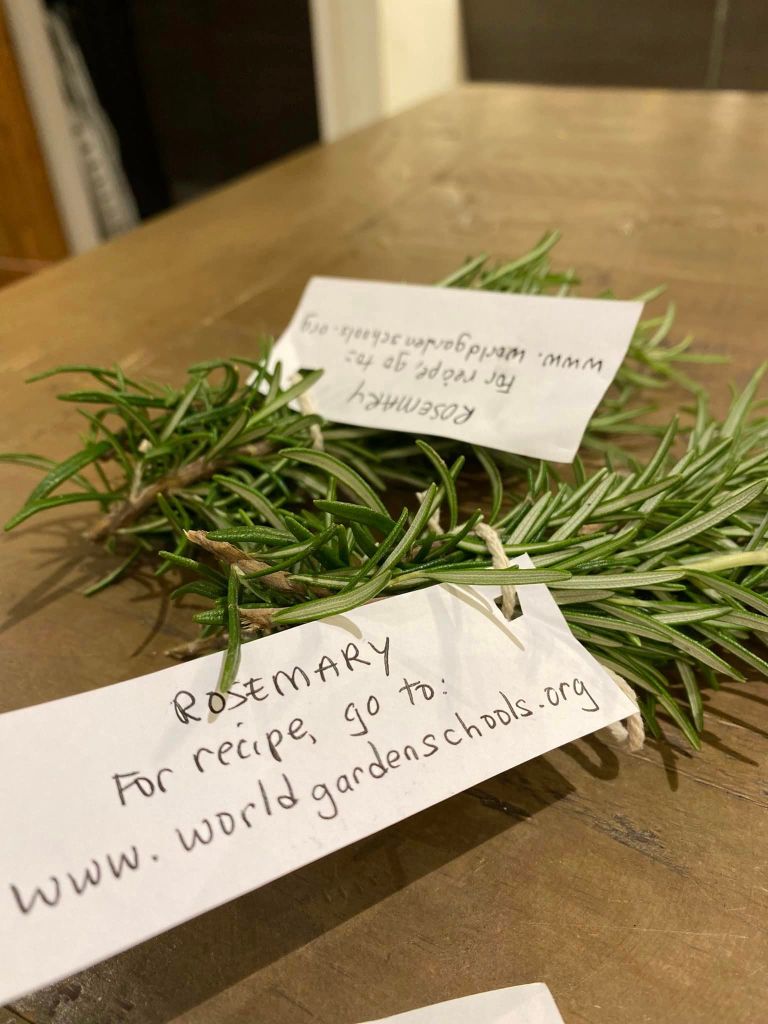
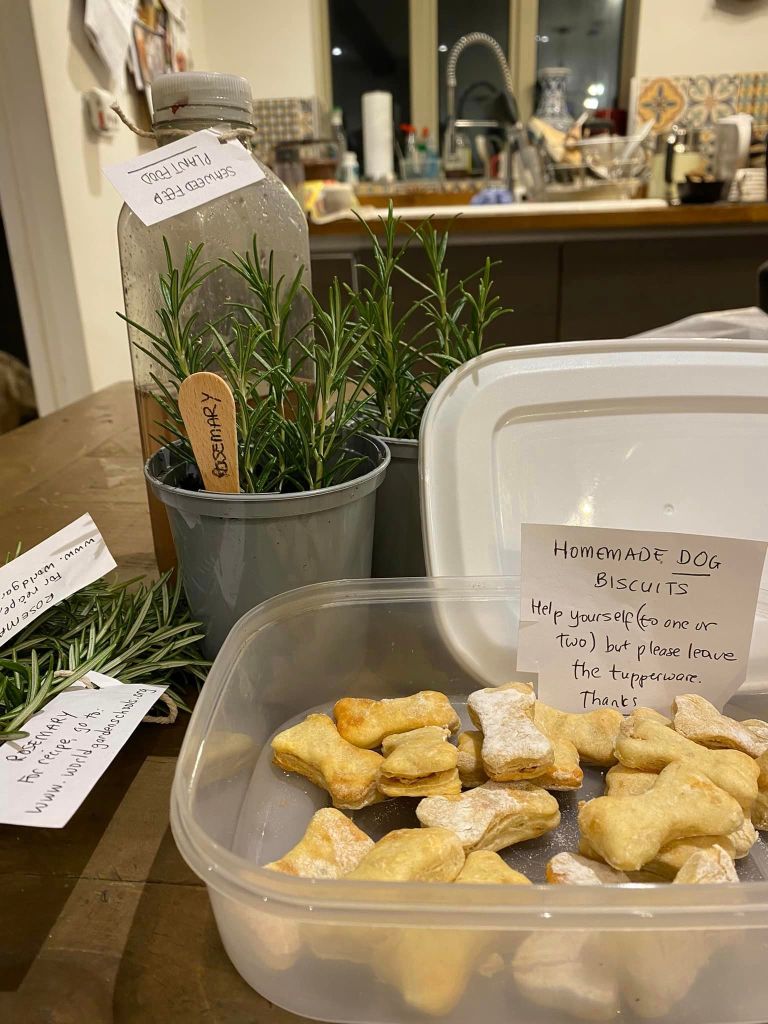
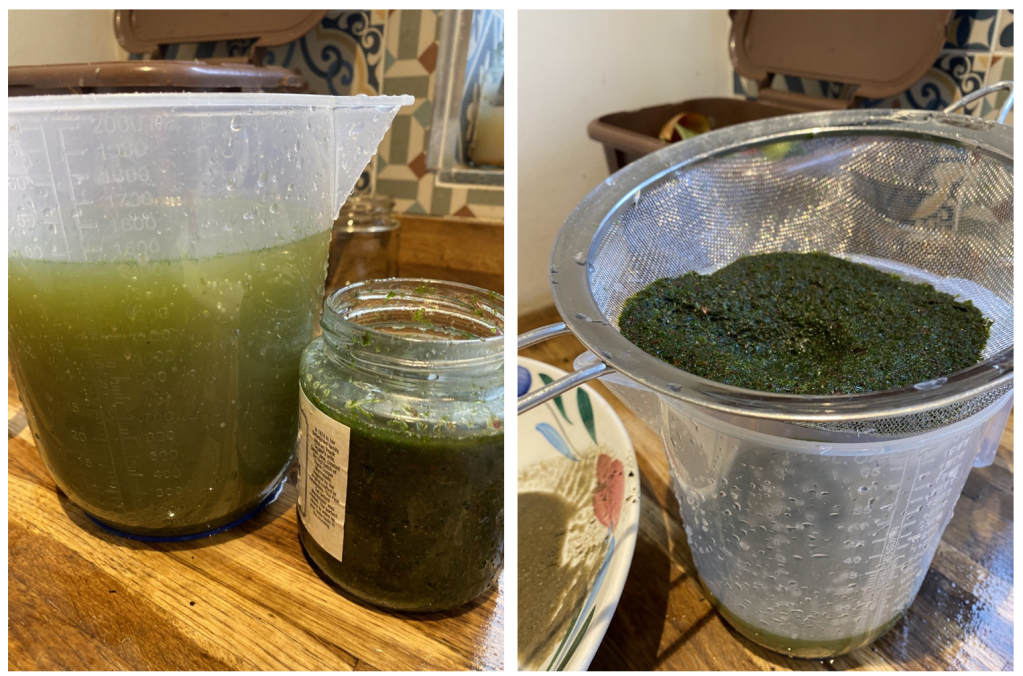
The apples from the garden have all been made either into apple & rhubarb crumble, apple juice or cider. Or given away earlier on. Assembling the Community Chest for this week’s giveaway, I am bunching together sprigs of thyme and rosemary, as well as a handwritten card with the webpage address to my recipe for a simple focaccia with the herb garnishing. Click HERE to go to the webpage.

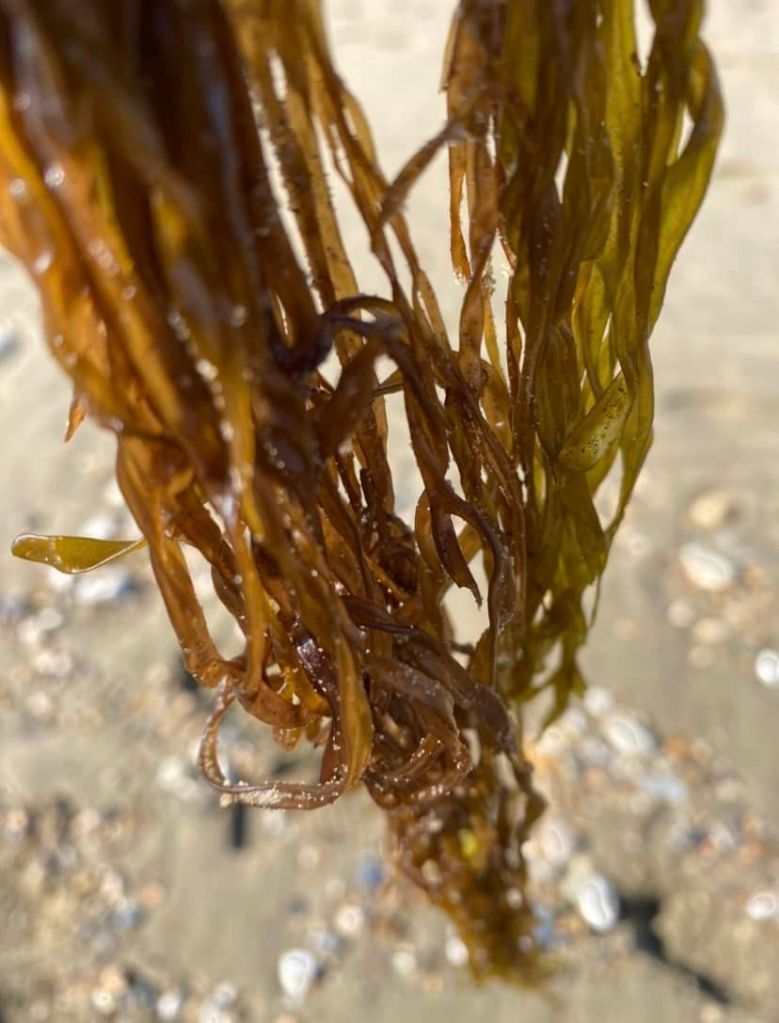
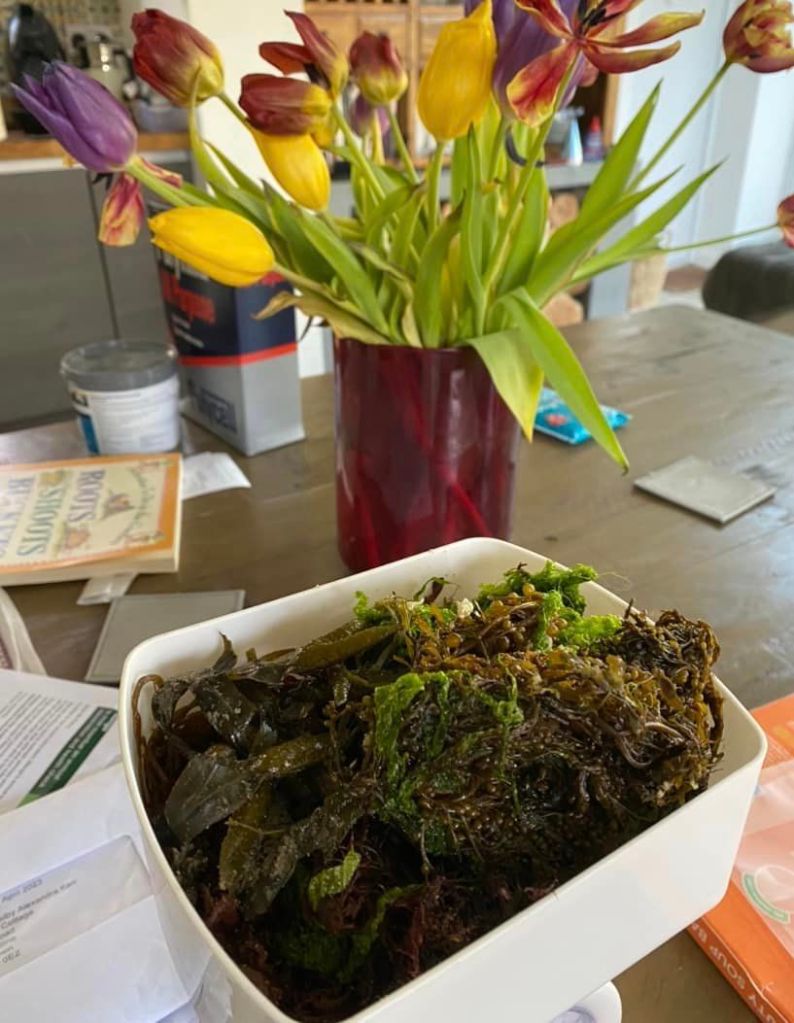
I will also be putting out some bottles of seaweed extract which is a very nutritious plant food. It costs a bomb to buy these commercially, but there is absolutely no need to buy these (save carbon miles as well as your money) when we have so much luscious seaweed on our beaches.
Click HERE for my seaweed recipe. I leave a few bottles out for you (if you have any plastic bottles, please drop them off at the Community Chest so that I can reuse them for this purpose).
28 October 2023
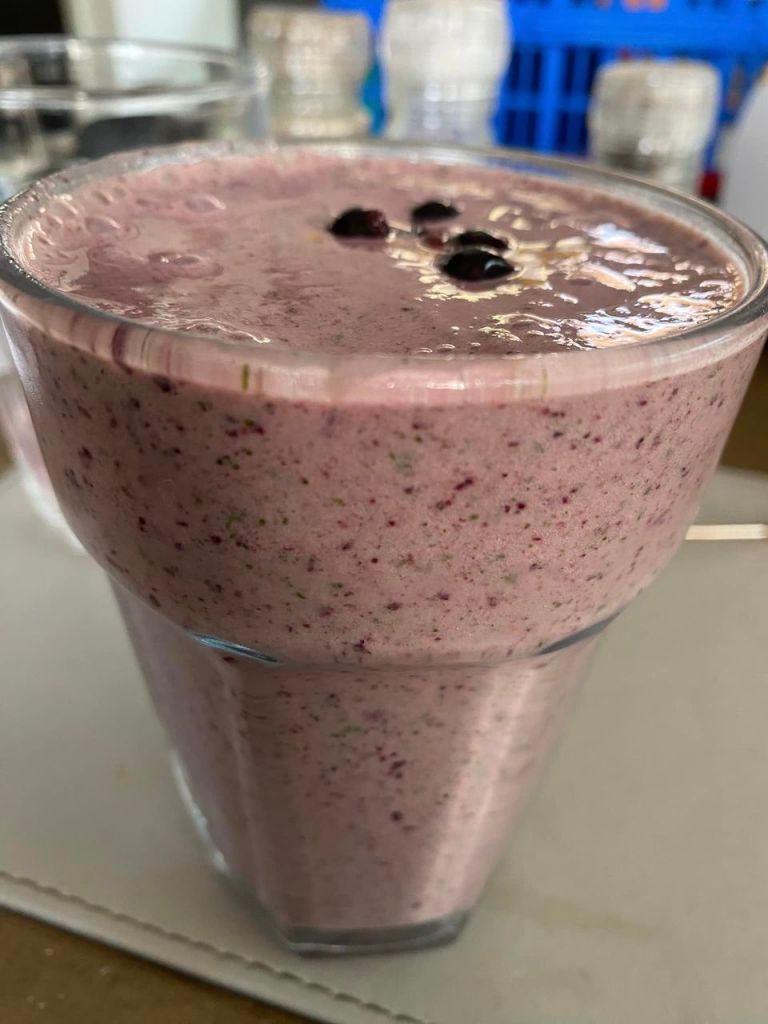
The forager’s food table is never empty, not even in late autumn/winter. This delicious, nutritious smoothie was made with berries (picked earlier in the year), fresh dandelion and mint leaves, apples from the backyard. The only two items that were shop-bought were a banana and milk. It takes just half a minute to prepare and blend everything with a few ice cubes for a yummy, gorgeous drink.


27 October 2023
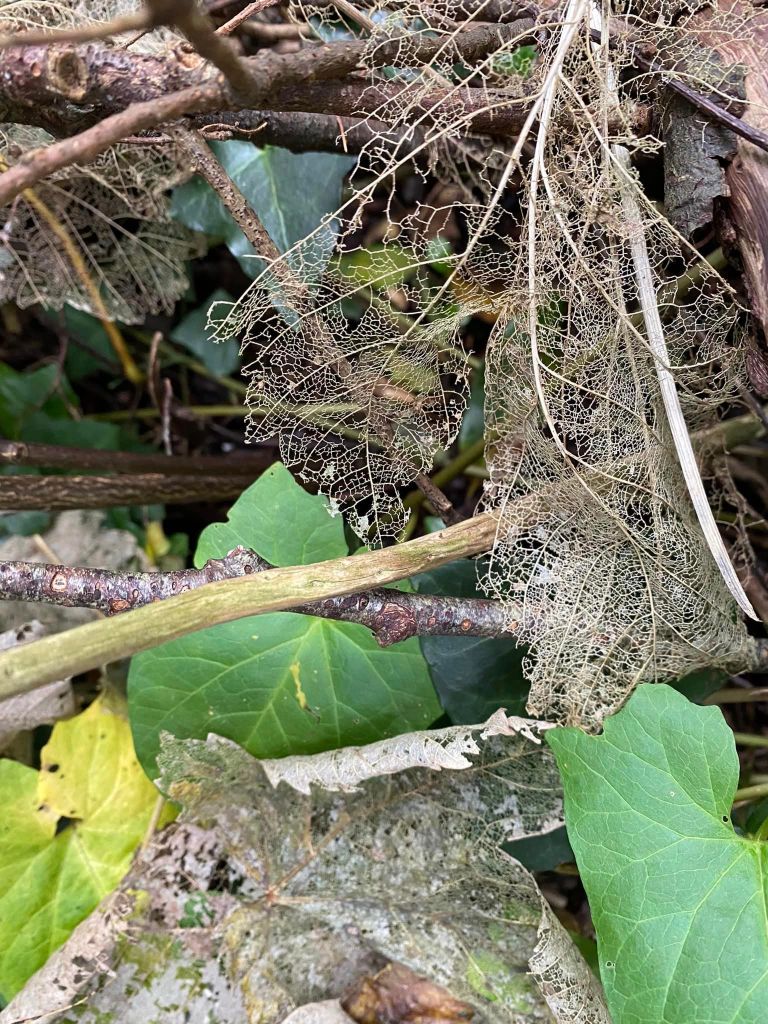
I just want to say, decay is beautiful. It is a return to the beginning, to nourish the earth, for life to start again. (All the goodness that a leaf has built up in its lifetime broken down by an army of decomposers).
21 October 2023
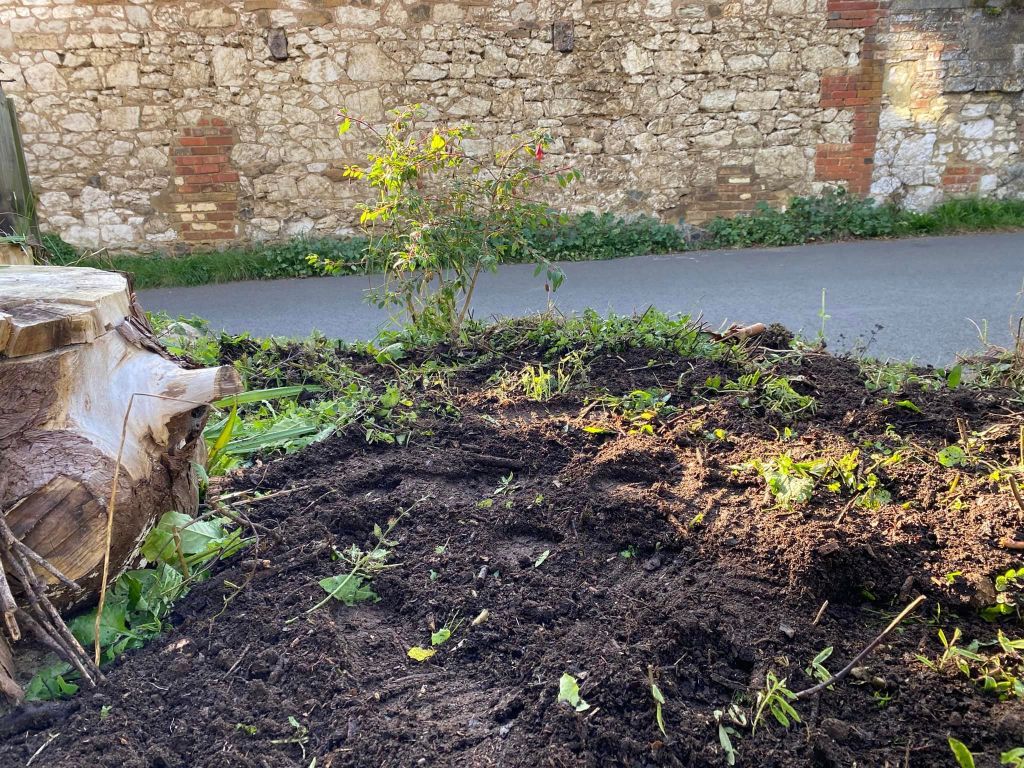
Right now, everything above the ground is resting. We have cut back the wildflowers and plants, mulched them down, and covered the patch with a layer of the compost we make in the backyard. We let the ground rest over winter to nurture the soil.
But beneath the ground, little critters that live there are busy. Earthworms, small insects, bacteria and fungi are working very hard. They eat everything organic. These get broken down into nutrients for plants. And this is why we covered the soil with the mulch – they’re food for the little critters!
Sleeping deep in this rich soil over winter are 88 daffodil bulbs. Come back in early spring to count how many of the bulbs turn into beautiful yellow flowers. Check here regularly for updates.
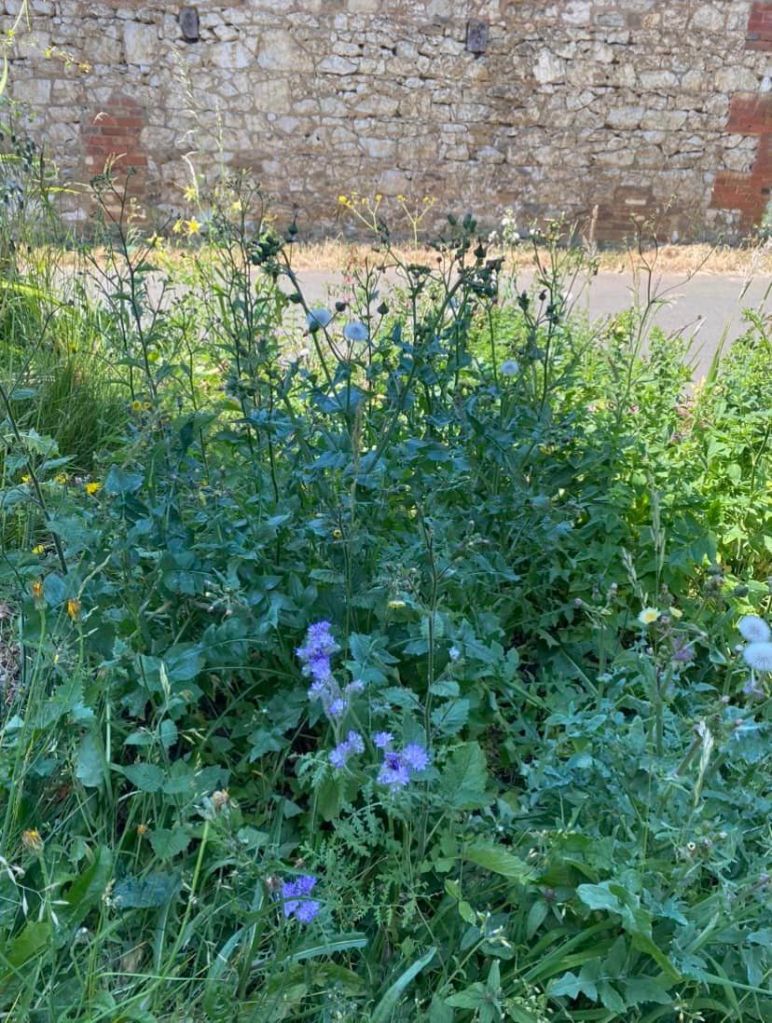
This was what it looked like in late summer/early autumn, when it was still a rich, verdant and colourful feeding ground for bees, insects and other pollinators.
Click here to download the World Garden Schools’ mini scavenger hunt sheet.
To download an e-version of Handbook For Budding Little Gardeners, click here.

 World Garden Schools
Leave a comment