
About a third of food produced for human consumption is wasted every year. At the same time, millions of people are struggling to afford to eat. But food waste is not just a socio-economical issue but a large environmental problem too.
This is because the majority of food waste ends up in a landfill site, which is already overcrowded. While many people don’t consider this to be an issue because food items naturally decompose over time, it contributes significantly to global warming as food waste releasing a large quantity of methane gas as it decomposes. According to data from the EPA, methane is 25 times more harmful than carbon dioxide because it can trap heat in the atmosphere.
The main solution is, of course, to buy less food, that is to say, buy only what you need.
But there is still so much environmental stewardship that you can do with the legit food you buy. For example, vegetable peelings and rotted fruits which do contribute to the production of methane gas can easily be composted to produce rich, loamy soil that you can use to plant great stuff.
How to compost
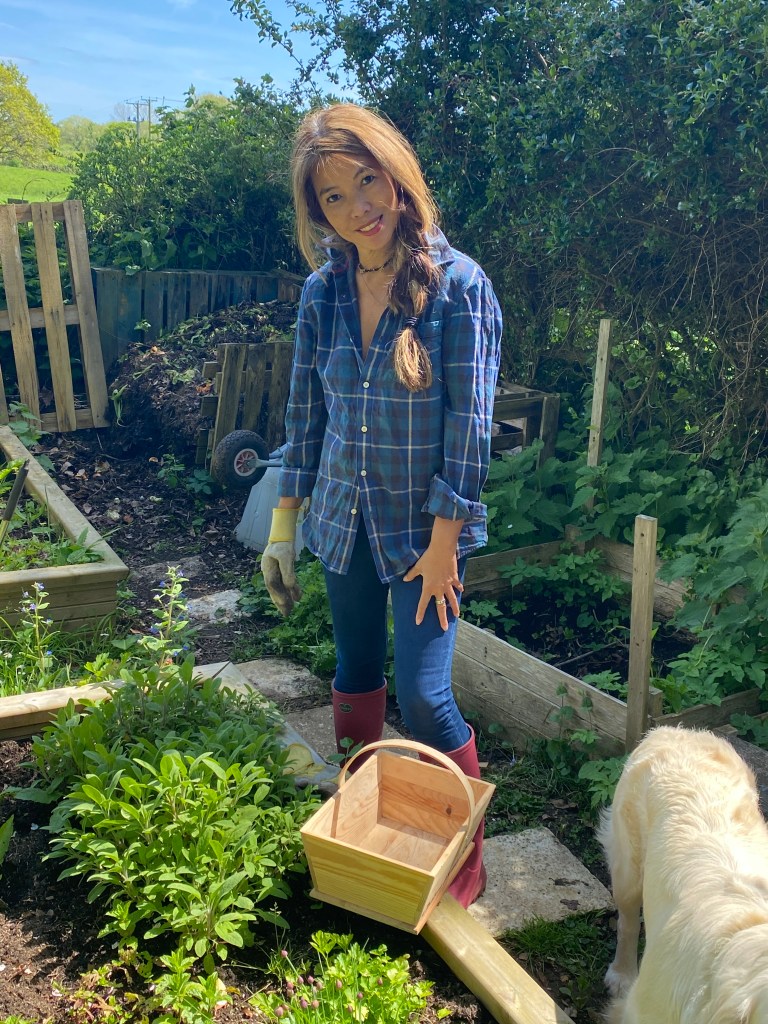
I am fortunate enough to have a compost heap at the bottom of my garden which supplies me with the most amazing quality soil (natural and pesticide-free) for growing everything that I grow. As explained in the YouTube clip, it is not that difficult to compost, with only three basic rules:
- Equal mix of green and brown. Green matter (vegetable peelings, rotted fruits, grass cuttings) provides the nutrients whilst brown matter (dry leaves and twigs, straw, sawdust (from natural wood only) and wood chips) provide structure to the compost. Layer the green and the brown.
- Cover with cardboard or used jute bags to provide your compost heap with moisture and heat.
- DON’T ADD cooked food (that will attract rats), lemons and garlic (worms don’t like the acidity and smell), wood ash, cuttings from nettles (because you will grow nettles). Just add fruit/vegetable peelings, unused fruits. and egg shells.
Photos (below): my compost heap which provides all the good quality compost I need to grow amazing plants.
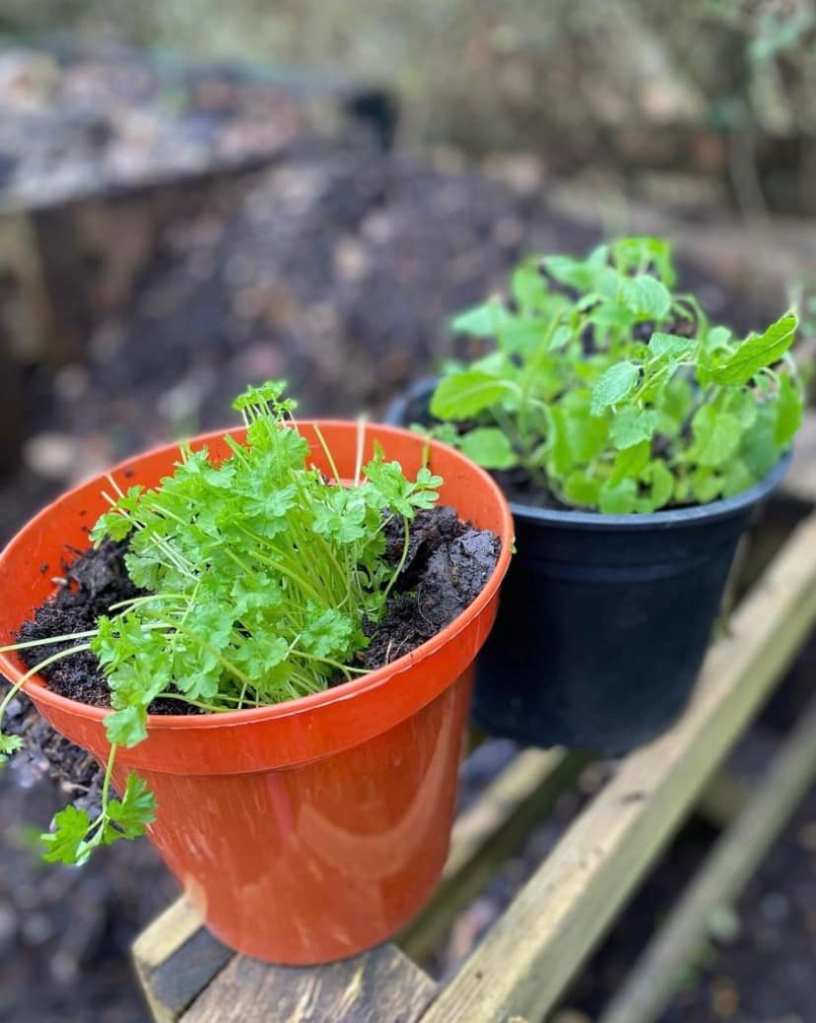
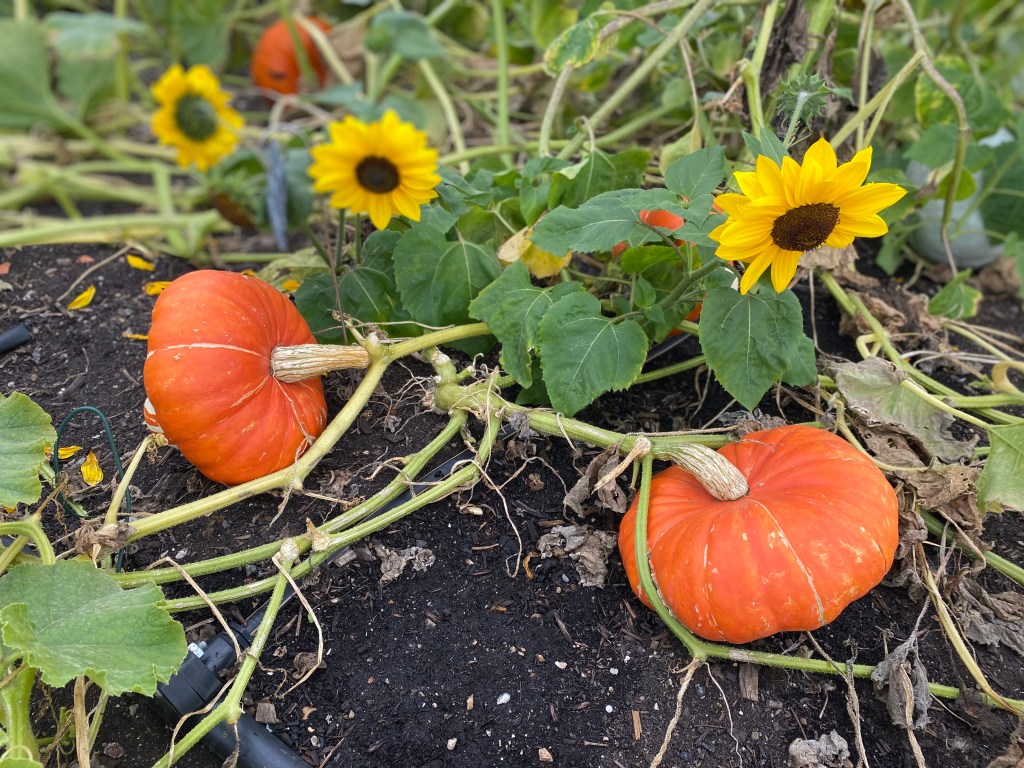
In six months, you will have the beginnings of a supply of good compost. Another suggestion of you can’t be bothered with all the steps but want to try/do something about food waste: throw all your garden waste in a heap, cover it with a layer of soil and plant pumpkins on it in mid-May. After one or two years you will also have compost, but then usually coarser and with weed seeds.
Photo (below): Pumpkins are so easy to grow! See this section of the World Garden Schools curriculum.
Green manure
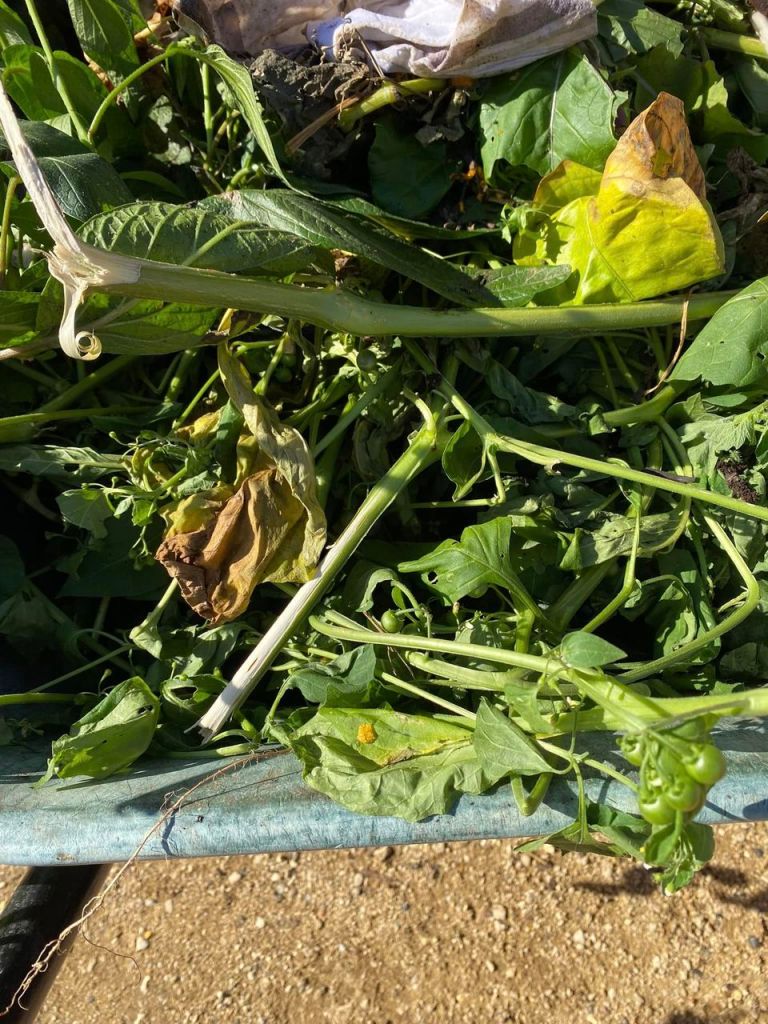
Green manures are plants that are grown specially to improve the soil quality. These are typically fast-growing plants that smothers weeds. Their roots bind soil particles together to prevent soil erosion. Mushed up, they provide valuable nutrients to the soil.
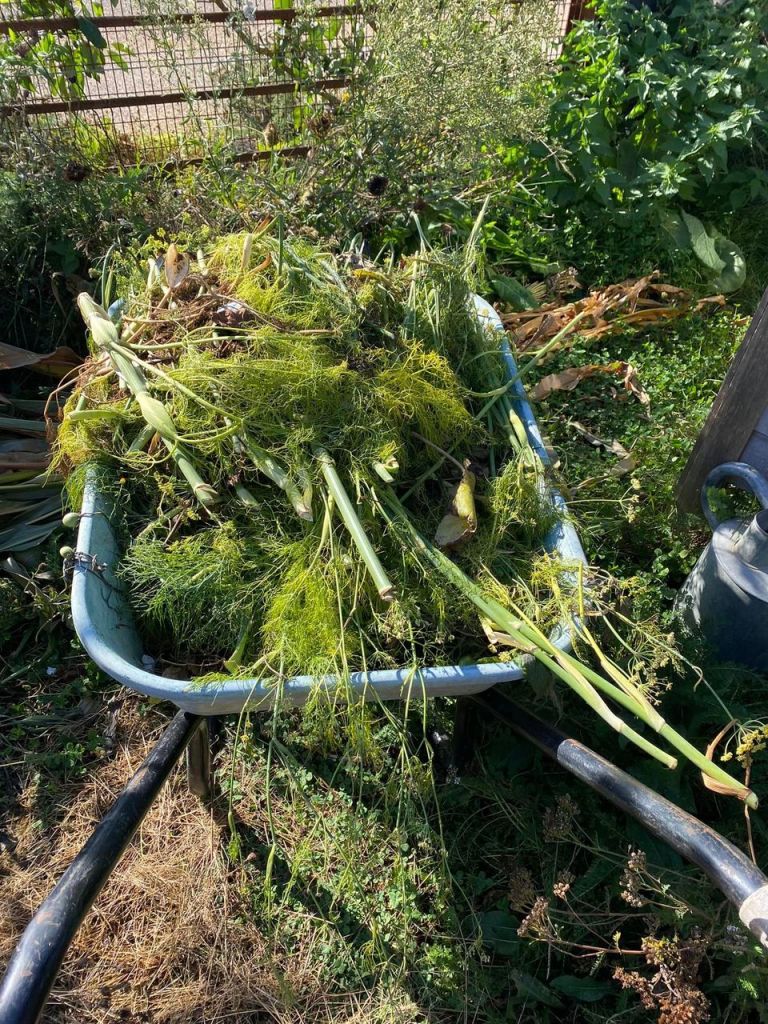
For some gardeners, special plants are grown for this purpose (list below) but I just used wild plants with soft stalks such as comfrey, red campion, and cultivated plants at the end of their season (sunflower, fennel, etc).
Plants for green manure: legumes such as vetch, clover, beans and peas; grasses such as annual ryegrass, oats, rapeseed, winter wheat and winter rye; and buckwheat.
Composting for Townies
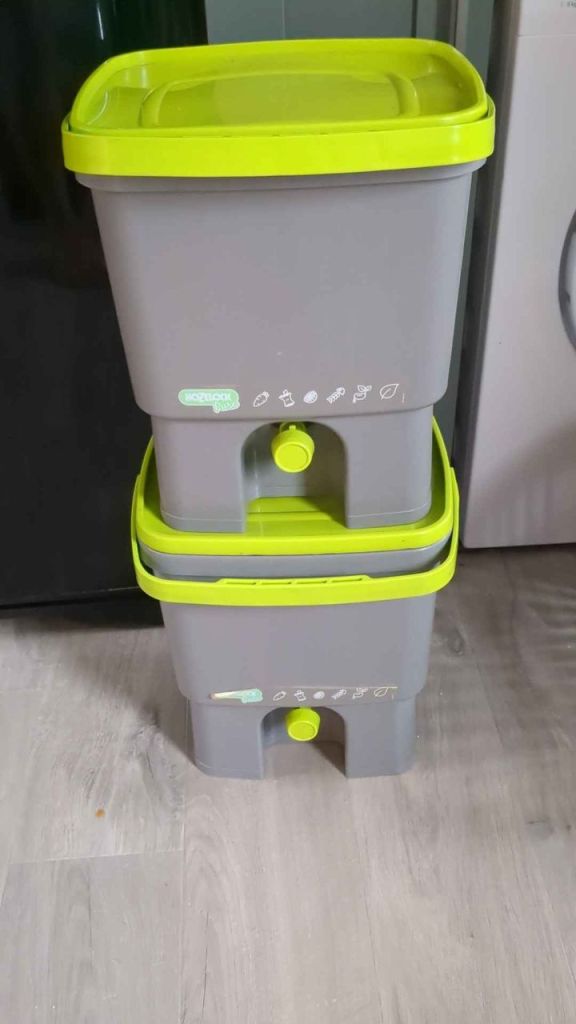
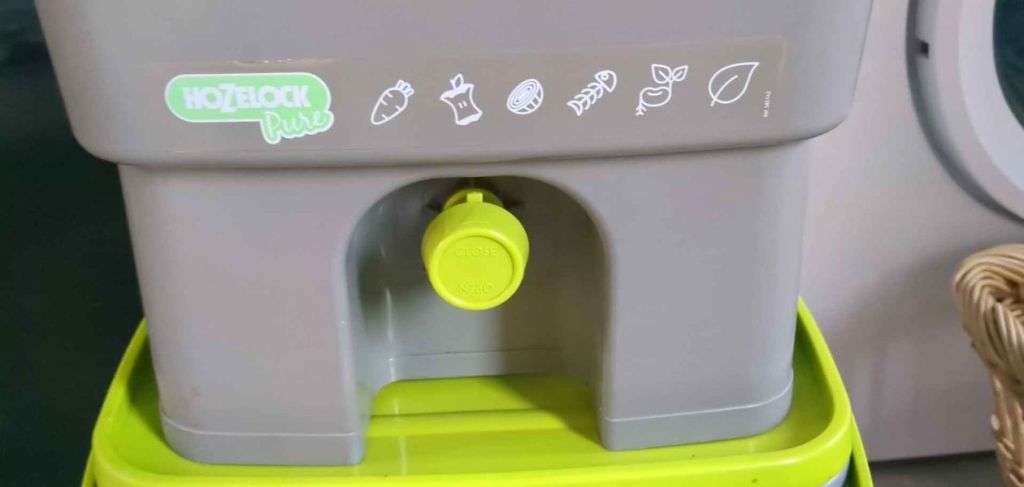
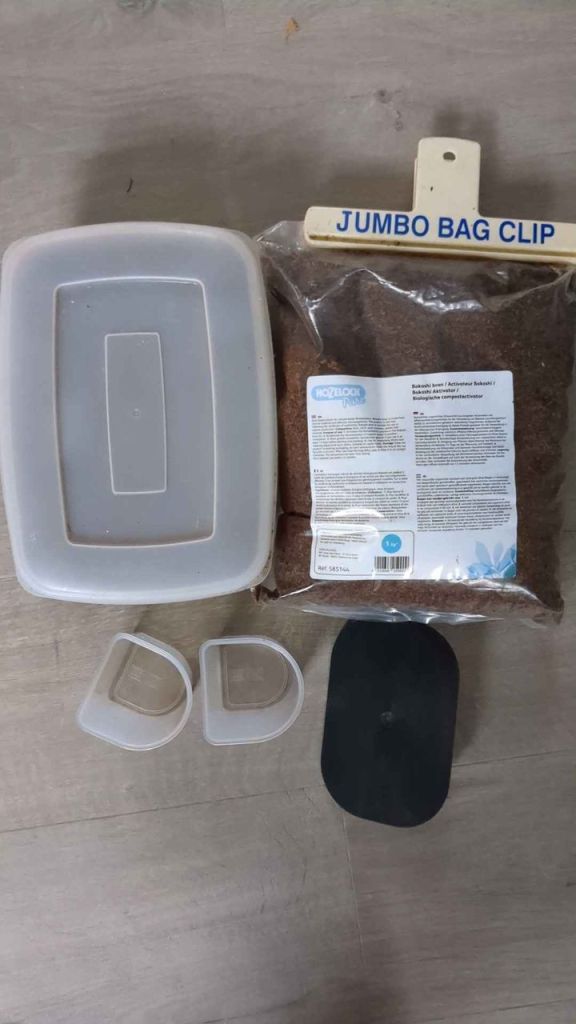
No access to composting plot, no access to worms, smell! The solution: Bokashi Composting. Basically, you buy a Bokashi Bin and bran (which acts like worms out in nature). Just put in your food waste but absolutely NO liquids.
The bin is airtight, so that the anaerobic microbes in the bran can get down to work and break down your food waste into nutrients for your plants. As indoor composters go, they are quite cheap, though the drawback is you have to buy the bran. Well worth it, though, not only for the nutritious plant feed but for doing your bit for the planet.
Links
For more information on Food Wastage and Climate Change, please click here.
This module is linked to the UN Sustainable Development Goals #13 (Section 13.3).


Leave a Reply