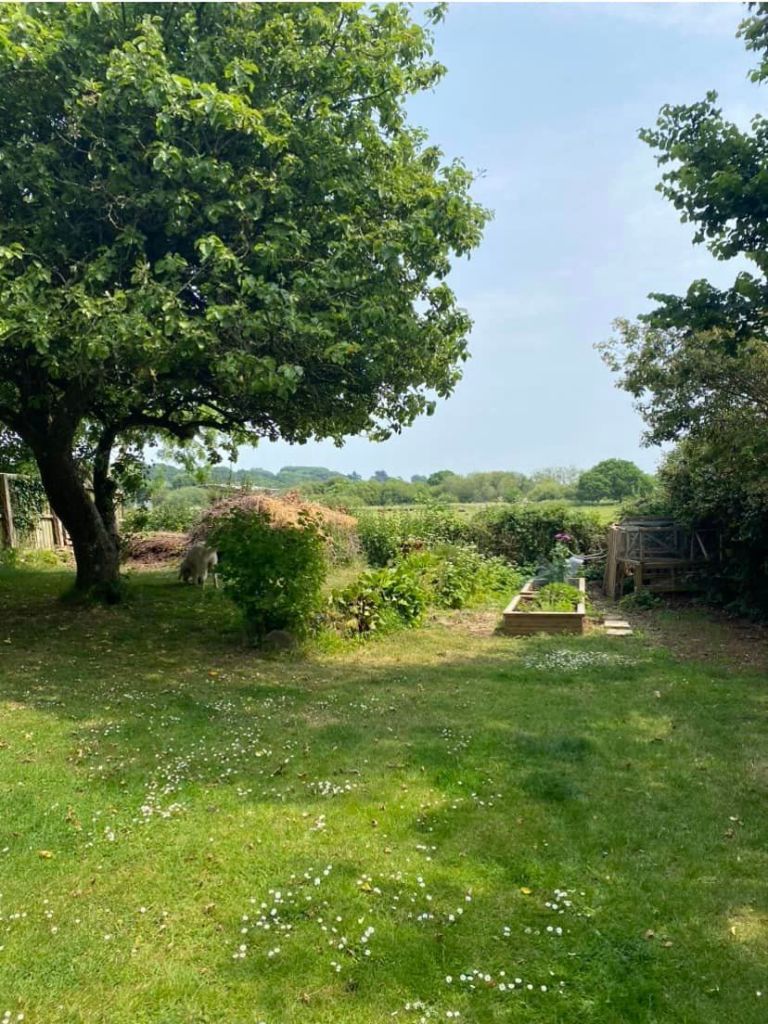
Nestled between two nature reserves and within close proximity of several beaches, Alverstone is ideal for a permaculture education centre. This will be the UK home of World Garden Schools.

The site
The education centre will be where the World Garden Schools curriculum comes to life. This is where we practice before we teach. Clicking on the links in the article will take you to the relevant areas of the curriculum.
EARTH CARE
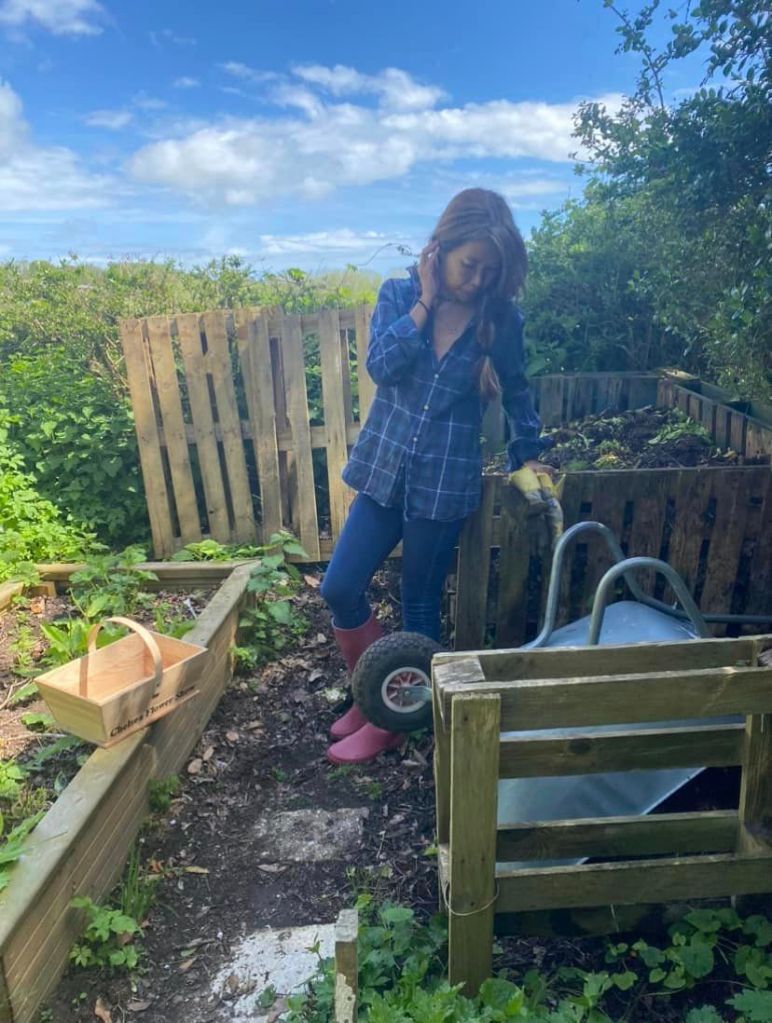
Composting is at the heart of what we do. Primarily, this is to facilitate soil regeneration and to reduce the negative environmental impact of food waste ending up in landfill sites.
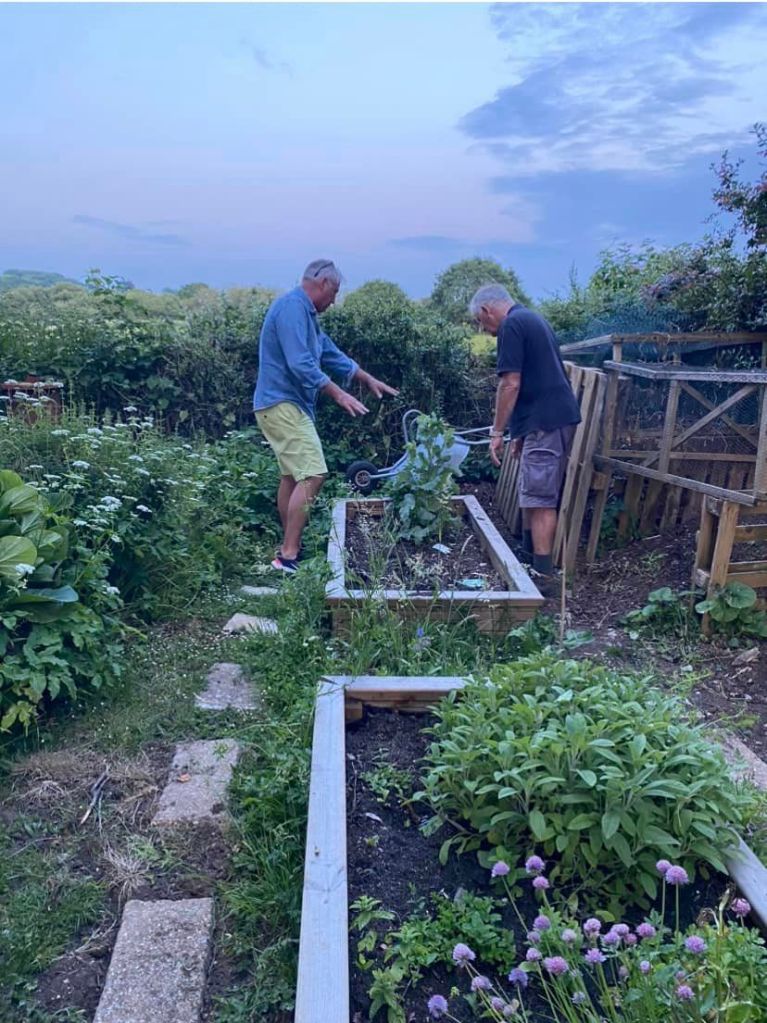
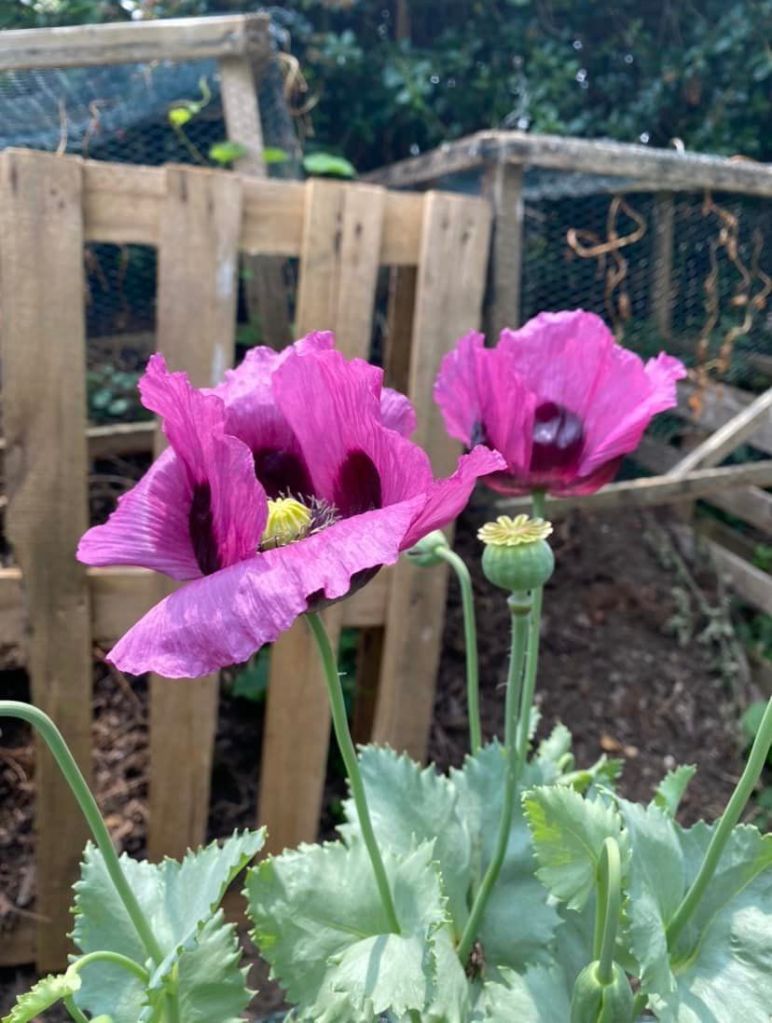
We produce good quality organic compost which we use on our raised vegetable beds (we practice no-dig gardening where possible). We give the surplus away to local people – we run a community free table outside the house. We had a lovely poppy bush growing opportunistically on the strawberry bed (we didn’t plant it there!)
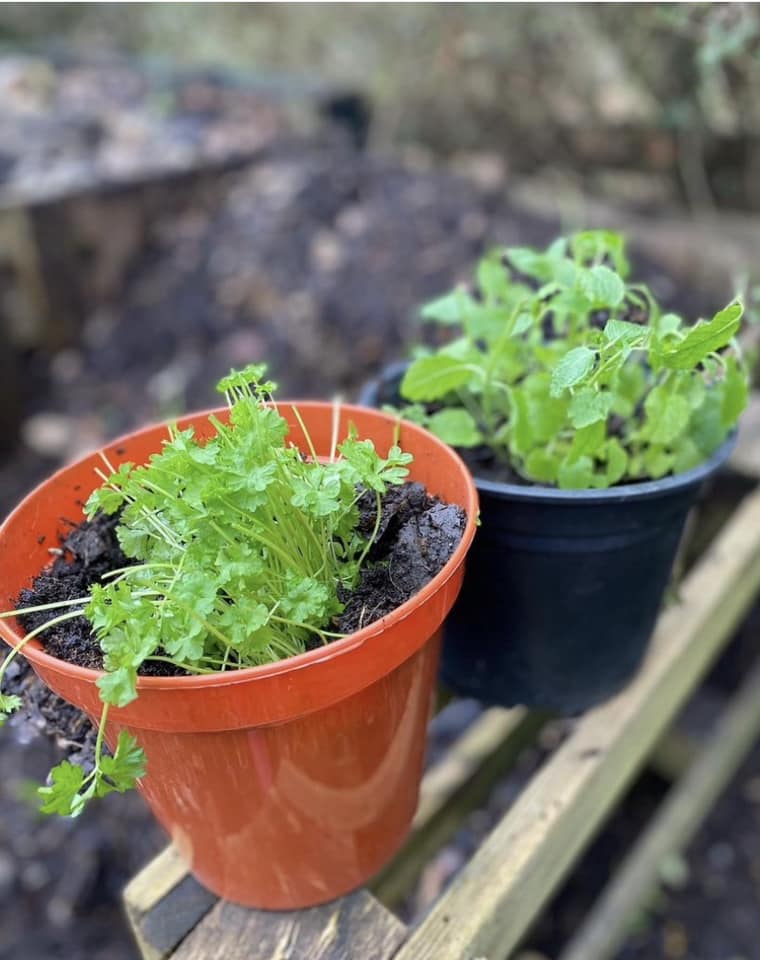
Just check out the quality of our compost! From the photo you could see its richness.
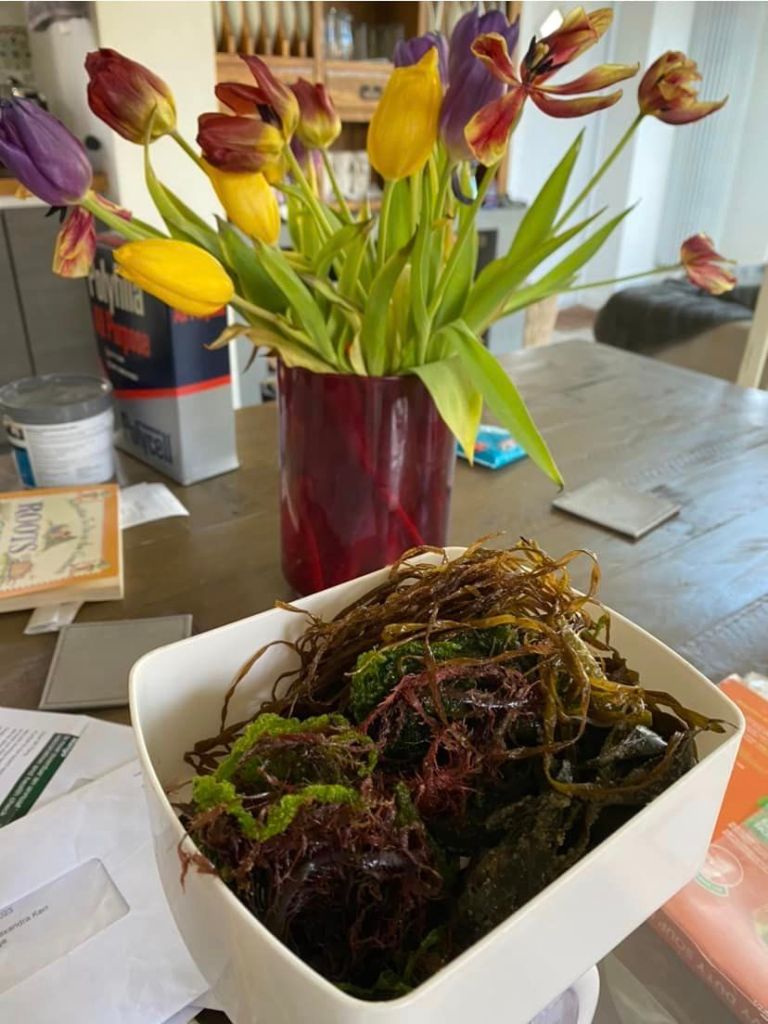
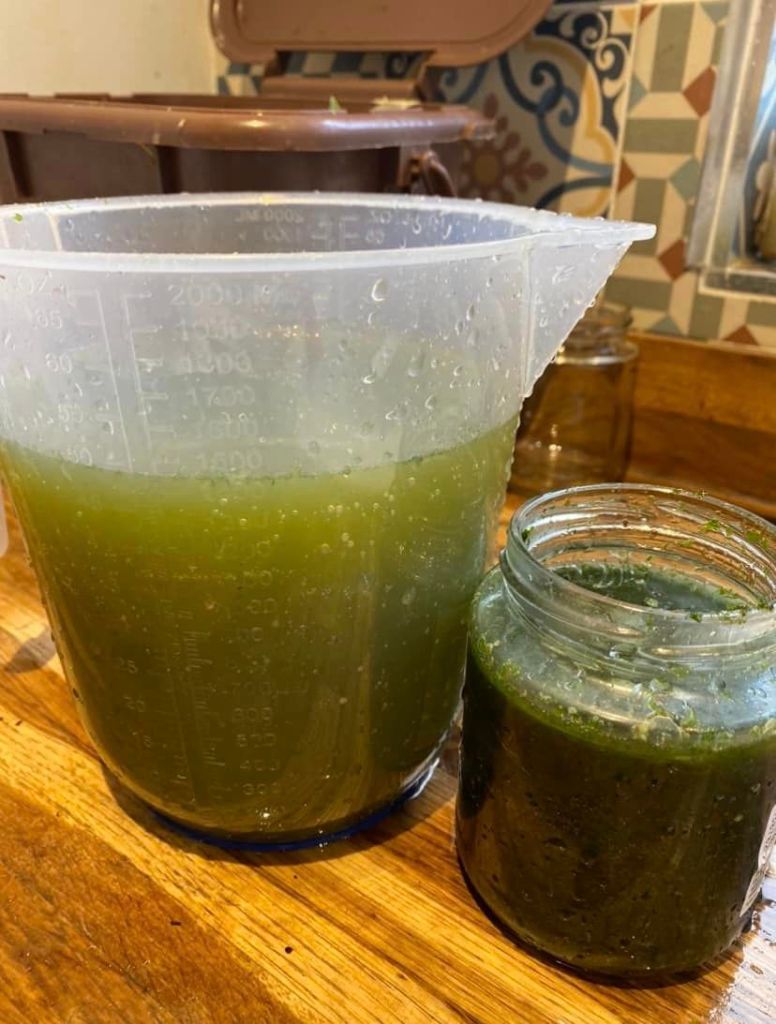
To nurture the soil, we also make natural feeds with seaweed. We teach our students how to make seaweed feed, which typically sell for exorbitant prices and come in plastic tubes (ugh) after travelling for hundreds of miles. Harvesting seaweed from local beaches also provide a wonderful opportunity to teach students about marine conservation. It is also an important part of People Care.
PEOPLE CARE
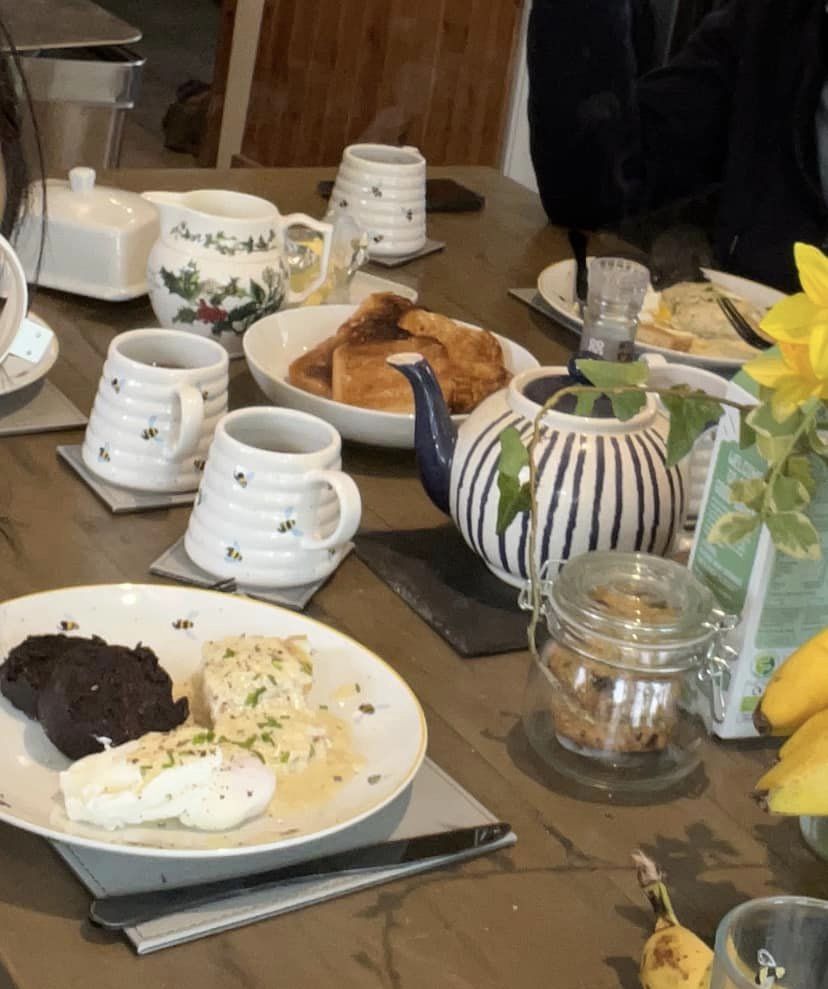
People Care begins with ourselves and expands to include our families, neighbours and wider communities. We strive to ensure that people will leave our centre feeling better than they did when they walked in by providing: (i) peaceful and quiet spaces, (2) good wholesome food, (3) a family environment.
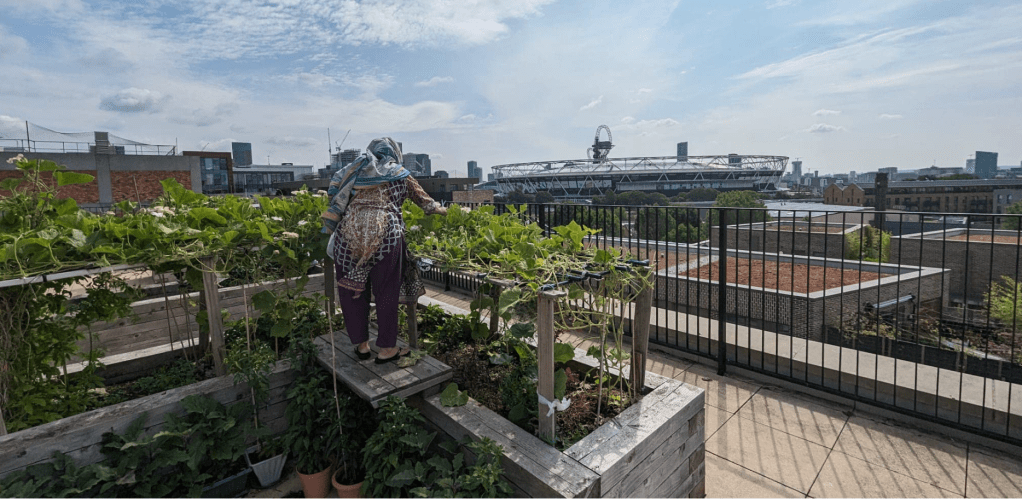
To the students and visitors to the World Garden Schools education centre, we will also bring global aspects of agriculture and gardening into their experience through talks about ethnic community gardens (in Hackney, London, seen below), food and plants. The World Within A Garden
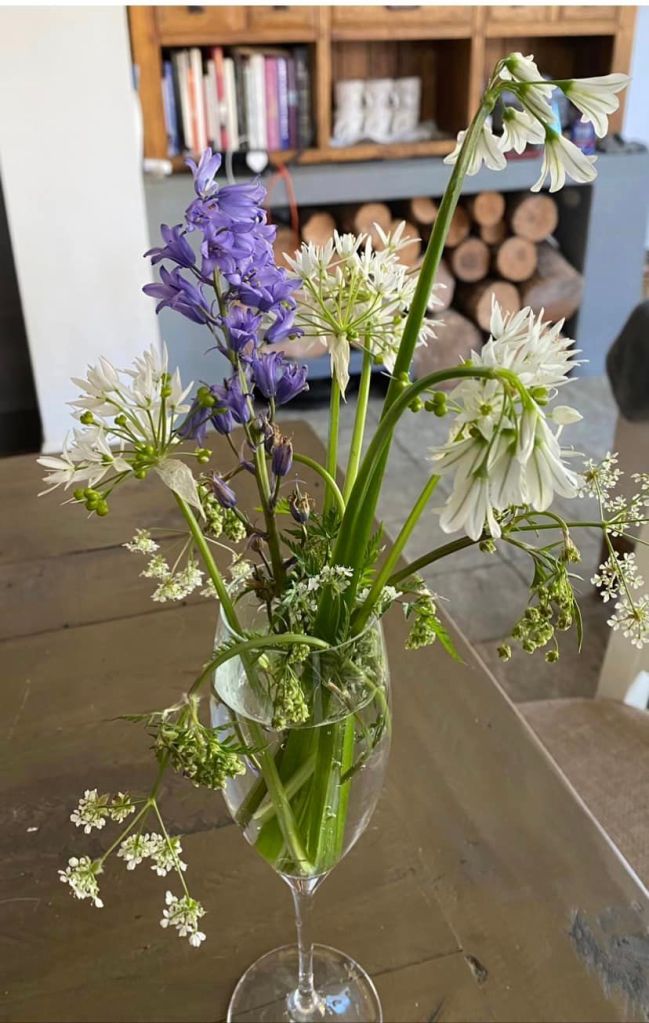
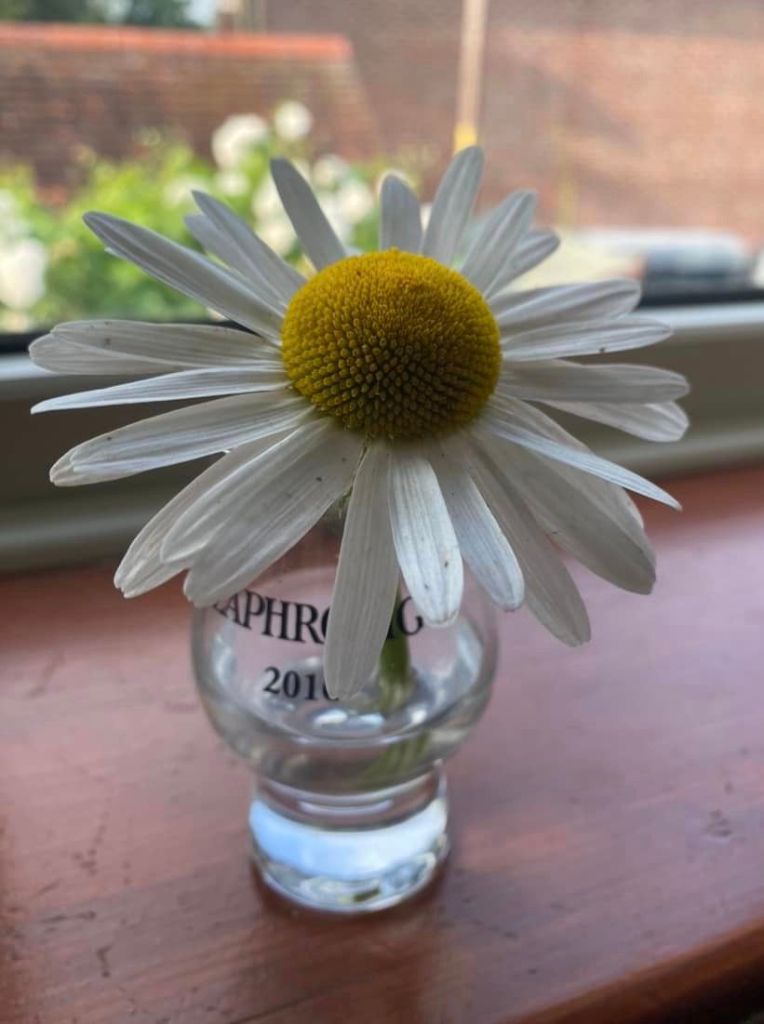
Personal note: as a mother of five, I strongly believe in the importance of teaching the younger generation how to create a beautiful home environment that is close to nature, for example, capitalising on the beauty of seasonal, local indigenous plants that brings the outdoors indoors.
FAIR SHARE
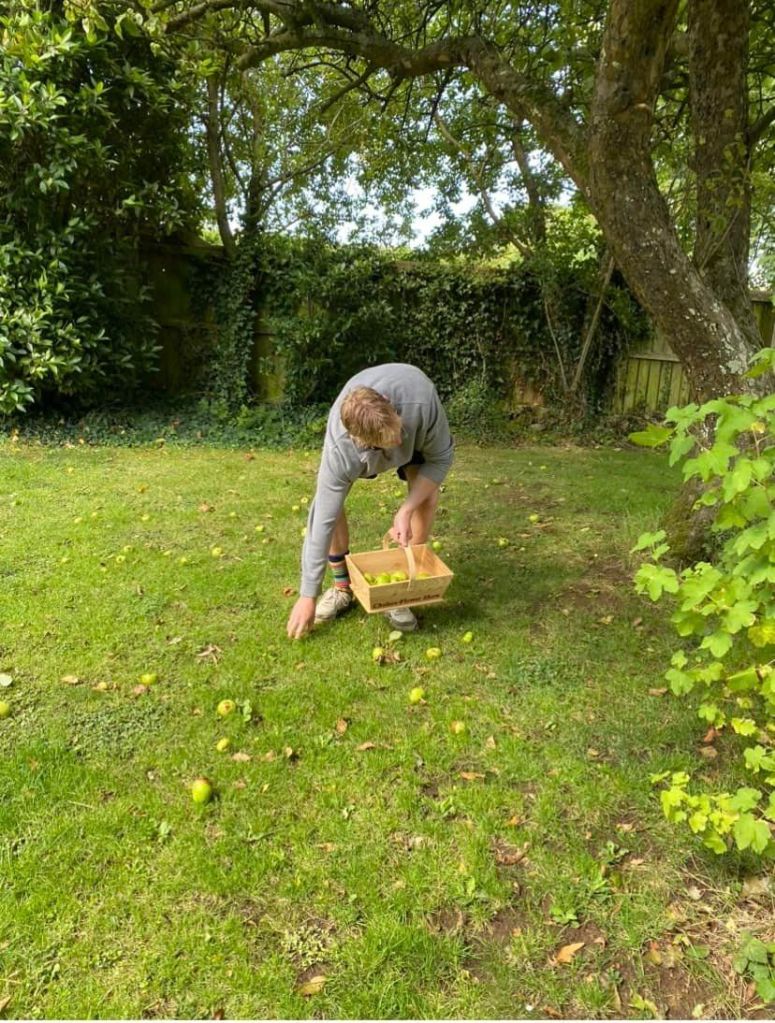
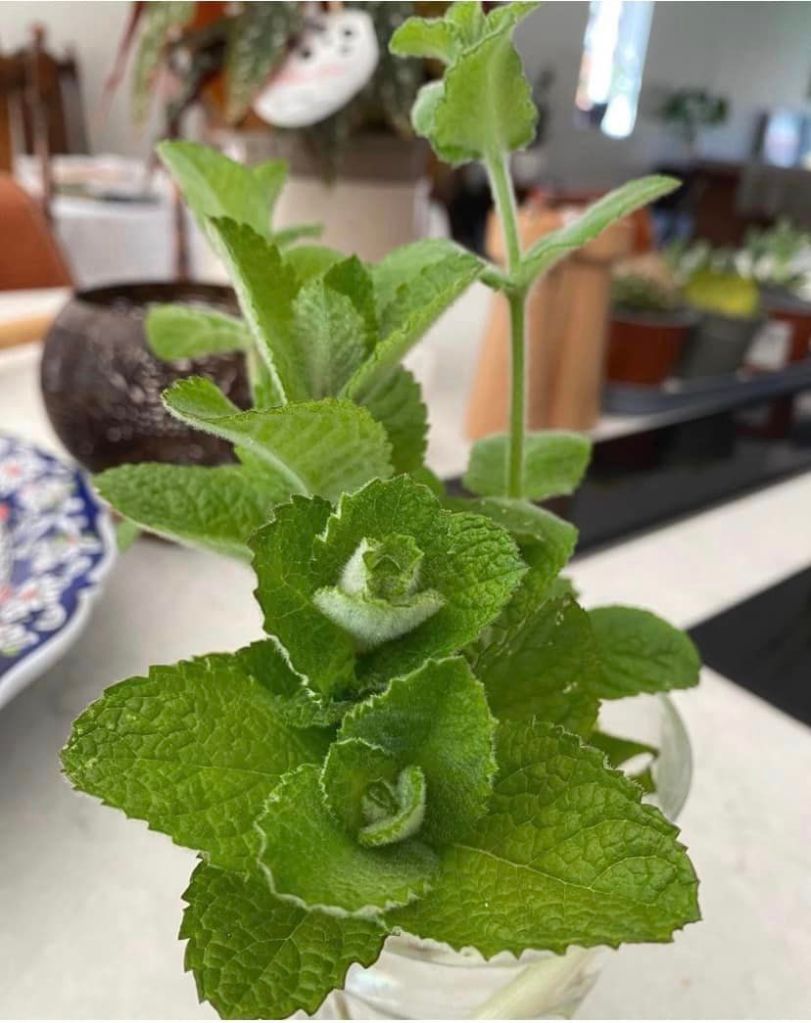
We have a seasonal community free table outside the house – plant cuttings, apples, even compost. In addition, we harvest rosemary to gift to a local Polish baker who bakes focaccia. Rosemary, mint and nettles (to make nettle soup and nettle lemonade) are our three largest produces.
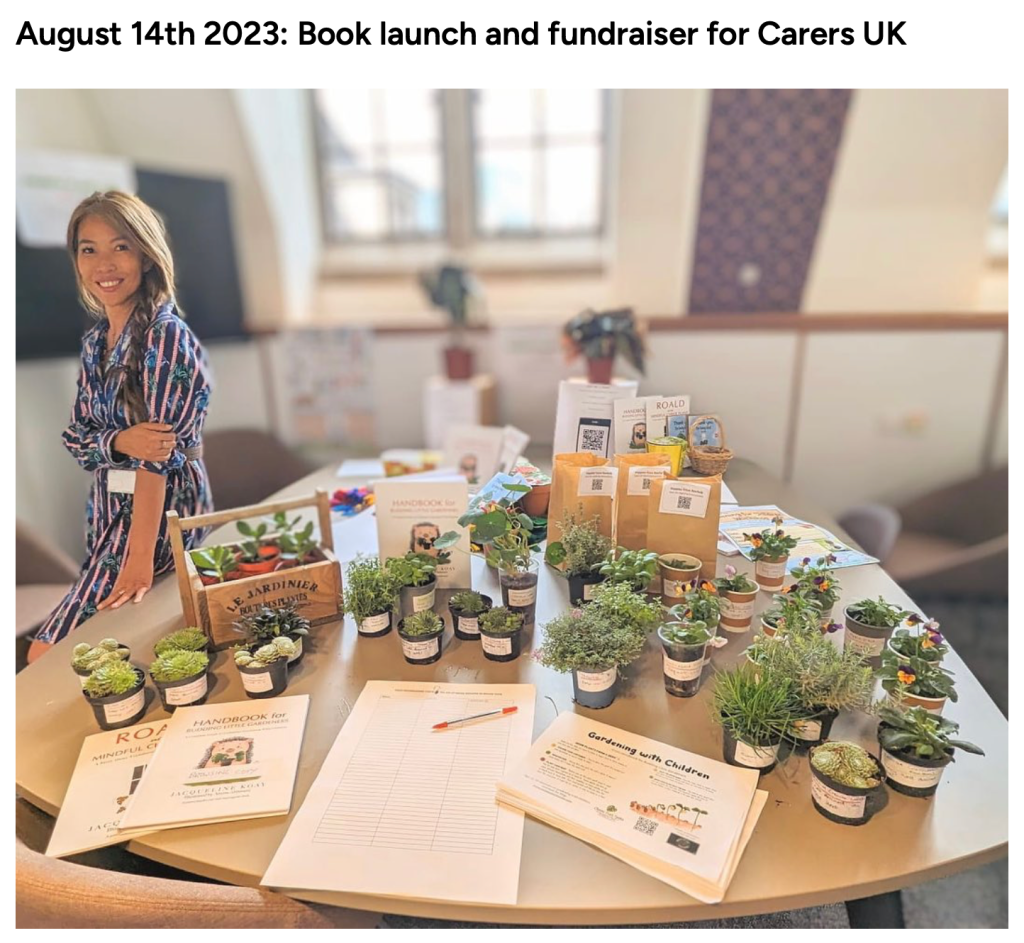
We also grow things here that we sell for charity (our charity plant sale for Carers UK raised £590).
This is our curriculum on agricultural economy: Growing Garlic – Learning about Agricultural Economy (World)



OUR CLASSROOM
World Garden Schools has four classrooms:
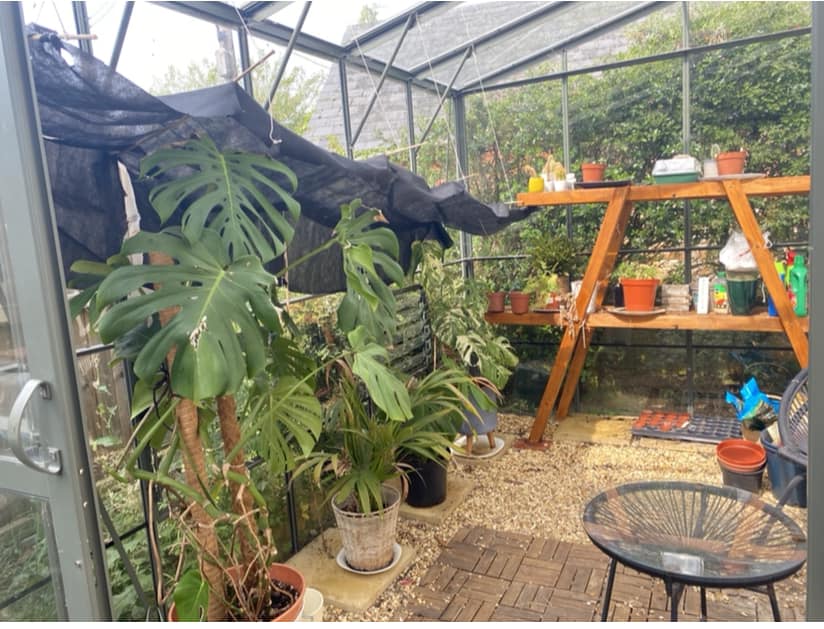
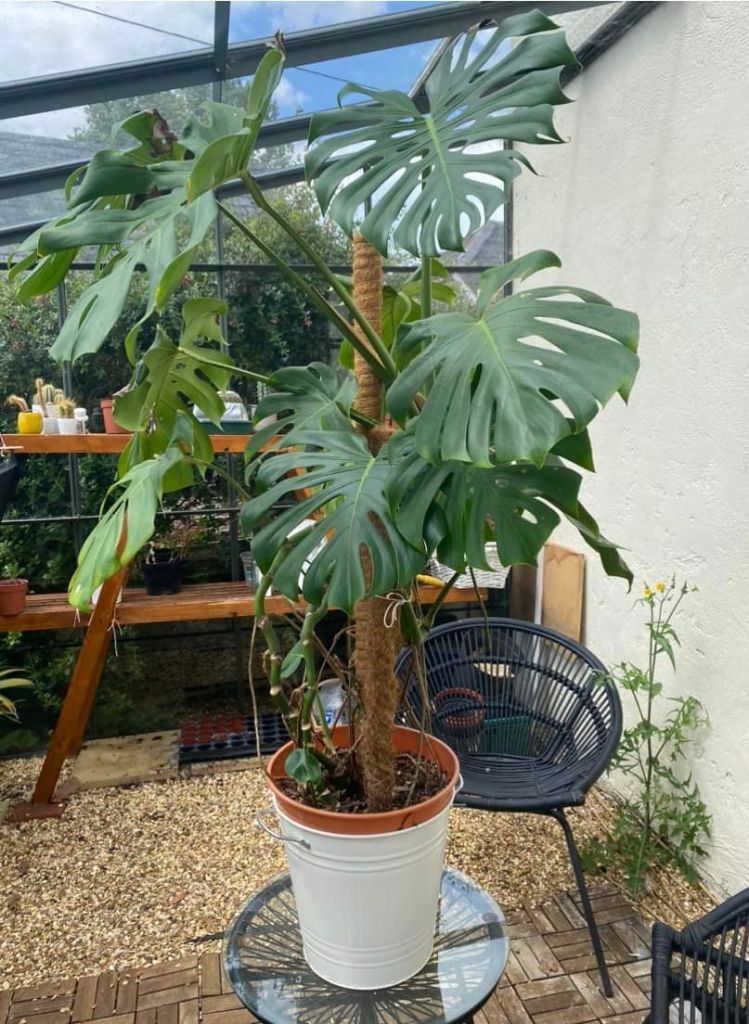
(1) The Greenhouse
In the greenhouse to show students how we can make a safe home for ‘immigrants’ (plants that are not indigenous to the UK) so that they grow, thrive and contribute to the community. We also try to use recycled items as much as possible and repurposing things we salvage (garden centres often throw out old plant pots).
(2) The Garden
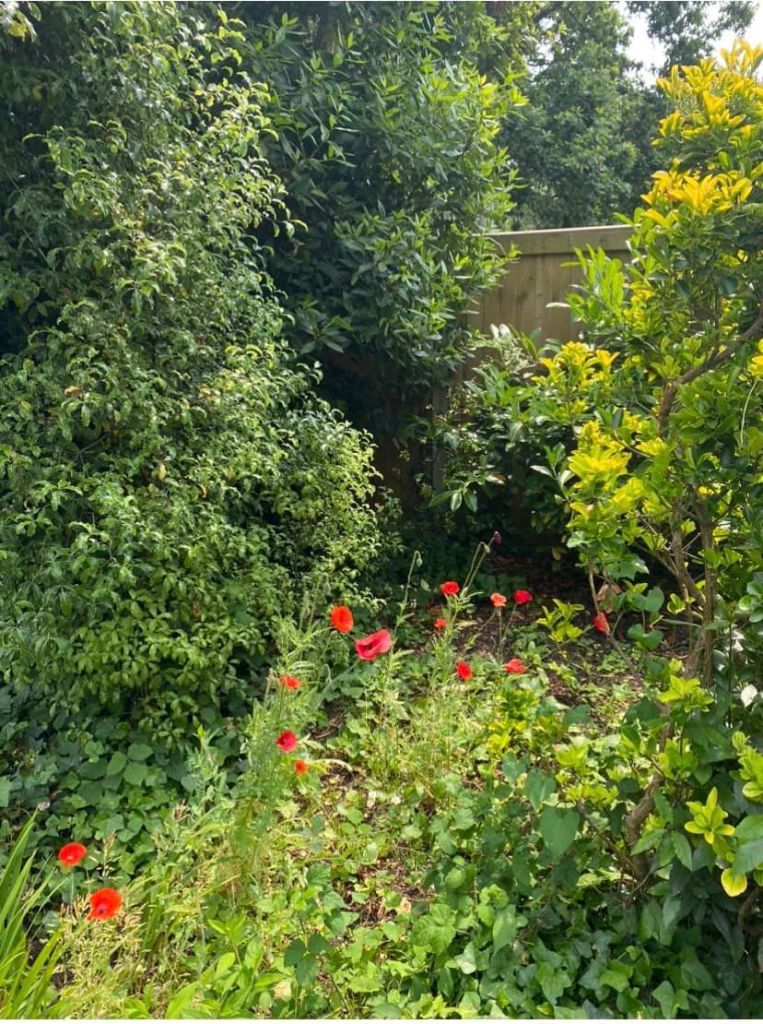
Apart from the vegetable beds, we have areas that we dedicate to bees and pollinators. These are also quiet spaces for students and visitors to decompress. This relates to the curriculum on Importance of Bees
(3) Surrounding nature
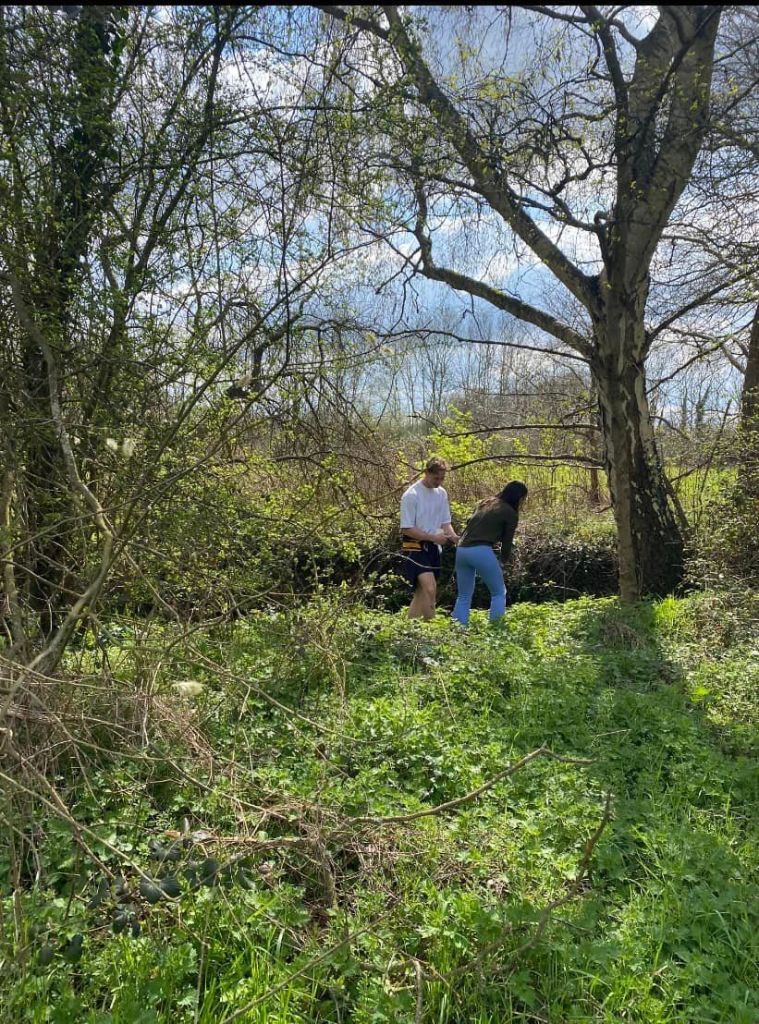
We are blessed to be sandwiched between two nature reserves including a community orchard. Being able to live off the land, knowing about edible indigenous plants and supporting the growing environment is core to our teaching on food security.
(4) Online
We have a vibrant online resource centre. https://worldgardenschools.org/curriculum/

To purchase our learning tools please visit: https://worldgardenschools.org/products/
To get current news on this patch of wilderness, click on this link: https://worldgardenschools.org/2023/10/27/isle-of-wight-little-permaculture-patch/
 World Garden Schools